Featured
Table of Contents
Typical methods consist of: Personal loansBalance move credit cardsHome equity loans or lines of creditThe goal is to: Lower interest ratesSimplify monthly paymentsCreate a clear reward timelineIf the new rate is meaningfully lower, you minimize total interest paid. Numerous credit cards use:0% introductory APR for 1221 monthsTransfer charges of 35%Example: You move $10,000 at 22% APR to a 0% card with a 4% transfer charge.
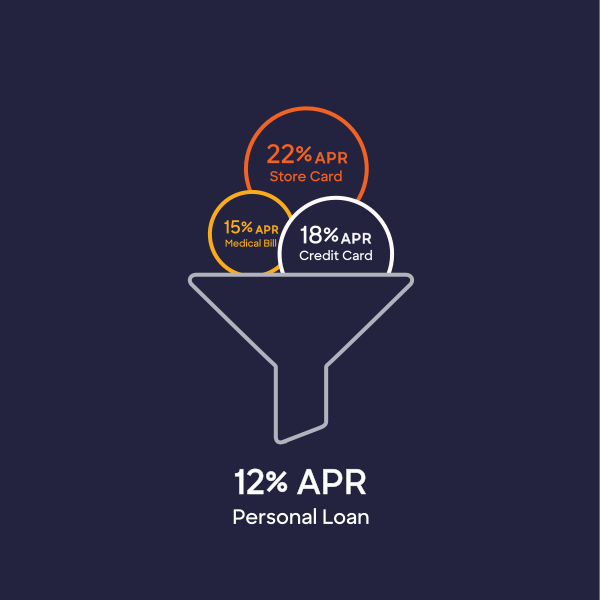
This works well if: You certify for the credit limitYou stop including new chargesYou pay off the balance before the marketing duration endsIf not paid off in time, interest rates can jump dramatically. Benefits: Lower interest rate than credit cardsFixed month-to-month paymentClear payoff dateExample: Replacing 22% APR credit card financial obligation with a 912% individual loan substantially reduces interest costs.
Utilizing home equity can provide lower rate of interest. This shifts unsecured credit card debt into secured financial obligation connected to your home. Dangers: Failure to pay back might threaten your homeExtending repayment increases long-lasting exposureThis choice needs care and strong payment self-confidence. Consolidation may be beneficial if: You get approved for a substantially lower interest rateYou have steady incomeYou commit to not building up brand-new balancesYou want a structured repayment timelineLowering interest accelerates benefit however just if spending habits changes.
Before consolidating, calculate: Present average interest rateTotal remaining interest if paid off aggressivelyNew rates of interest and overall cost under consolidationIf the mathematics plainly prefers debt consolidation and behavior is controlled it can be tactical. Combination can momentarily impact credit report due to: Tough inquiriesNew account openingsHowever, gradually, lower credit usage typically enhances ratings.
Examining Loan Rates for Q3 2026 Financial PlanningRemoving high-interest debt increases net worth directly. Moving balances however continuing spendingThis develops 2 layers of debt. Picking long repayment termsLower payments feel easier however extend interest exposure. Disregarding feesOrigination or transfer costs minimize cost savings. Stopping working to automate paymentsMissed payments erase advantages rapidly. It might trigger a short-term dip, but long-term improvement prevails if balances decrease and payments stay on time.
How to Consolidate High Interest Debt in 2026
If you can not pay back before the promotional period ends, high rates may use. Not instantly. Closing accounts can increase credit utilization and impact rating. Alternatives end up being limited. Rates may not be substantially lower than existing credit cards. Credit card debt combination can accelerate benefit but just with discipline. Lower the interest rate.
Automate payments. Debt consolidation is a structural improvement, not a behavioral remedy.
It can be daunting when your credit card financial obligation starts to surpass what you can pay, especially given that sometimes all it takes are a couple of bad moves and quickly you're juggling multiple balances from month to month while interest starts to stack up. Charge card financial obligation combination is one kind of relief offered to those having a hard time to pay off balances.
Securing Low Rate Personal Loans in 2026
To escape the stress and get a manage on the debts you owe, you need a debt repayment gameplan. In a nutshell, you're aiming to discover and collect all the debts you owe, discover about how financial obligation combination works, and set out your choices based on a complete assessment of your debt scenario.
Balance transfer cards can be a good type of combination to consider if your debt is worrying but not frustrating. By obtaining and getting a new balance transfer credit card, you're essentially buying yourself additional time typically somewhere between 12 and 21 months, depending on the card to stop interest from accumulating on your balance.
Compared to other combination choices, this is a reasonably easy strategy to understand and accomplish. Lots of cards, even some rewards cards, provide 0% APR marketing periods with zero interest, so you might be able to tackle your full debt balance without paying an additional cent in interest. Moving debts onto one card can also make budgeting much easier, as you'll have less to monitor every month.
The majority of cards stipulate that in order to take benefit of the introductory marketing duration, your financial obligation needs to be moved onto the card in a particular timeframe, normally between 30 and 45 days of being authorized. Also, depending on the card, you might need to pay a balance transfer cost when doing so.
Top Strategies for Achieving Financial Freedom
Another word of care; if you're unable to repay the quantity you've transferred onto the card by the time to introductory promotional duration is up, you'll likely undergo a much greater interest rate than before. If you select to move forward with this technique, do everything in your power to guarantee your debt is settled by the time the 0% APR period is over.
This might be a great choice to think about if a balance transfer card appears ideal however you're not able to completely devote to having the financial obligation paid back before the interest rate kicks in. There are several individual loan alternatives with a variety of payment periods available. Depending on what you're eligible for, you might be able to set up a long-lasting strategy to settle your financial obligation throughout several years.
Similar to stabilize transfer cards, personal loans might also have costs and high rate of interest connected to them. Oftentimes, loans with the most affordable interest rates are limited to those with higher credit scores a task that isn't easy when you're dealing with a lot of debt. Before signing on the dotted line, be sure to examine the fine print for any fees or details you may have missed.
By obtaining against your pension, typically a 401(k) or IRA, you can roll your financial obligation into one payment backed by a pension used as collateral. Each retirement fund has specific guidelines on early withdrawals and limits that are critical to review before making a decision. What makes this choice feasible for some individuals is the lack of a credit check.
While some of the guidelines and guidelines have actually softened over the years, there's still a lot to think about and absorb before going this route.

How to Combine High Interest Debt in 2026
On the other hand, home and auto loans are categorized as protected debt, due to the fact that failure to pay it back could mean foreclosure of the asset. Now that that's cleared up, it is possible to consolidate unsecured debt (credit card debt) with a secured loan. An example would be rolling your charge card debt into a home mortgage, essentially gathering all of the balances you owe under one debt umbrella.
Secured loans also tend to be more lax with credit requirements considering that the provided property gives more security to the lender, making it less risky for them to lend you money. Mortgage in particular tend to provide the biggest sums of money; likely enough to be able to consolidate all of your charge card financial obligation.

Latest Posts
Assessing Interest Rates On Loans for 2026

How to Combine Credit Card Debt in 2026

Steps to Secure Competitive Loans in 2026